






India holds a rich collection of culture, architecture, and natural beauty. Many historical monuments and landscapes have received global recognition. These places are listed as UNESCO World Heritage Sites in India because they show outstanding cultural or natural value. Today, the Total UNESCO World Heritage Sites in India has crossed 44 World Heritage Sites in India, and experts expect more additions in the future such as the 45th UNESCO Sites in India.
These heritage sites protect India’s history and traditions. They also attract travelers, researchers, and students from across the world. Many aspirants preparing for civil services also study the Top 10 UNESCO World Heritage Sites in India UPSC because these locations hold great historical and cultural importance. This list of UNESCO World Heritage Sites in India highlights the most famous monuments and natural locations in the country.
Below are the Top 10 UNESCO World Heritage Sites in India that represent the nation’s cultural legacy and natural beauty.
| Site | Location | Type |
|---|---|---|
| Taj Mahal | Uttar Pradesh | Cultural |
| Qutub Minar | Delhi | Cultural |
| Red Fort | Delhi | Cultural |
| Ajanta Caves | Maharashtra | Cultural |
| Ellora Caves | Maharashtra | Cultural |
| Hampi | Karnataka | Cultural |
| Khajuraho | Madhya Pradesh | Cultural |
| Sun Temple Konark | Odisha | Cultural |
| Kaziranga National Park | Assam | Natural |
| Valley of Flowers | Uttarakhand | Natural |
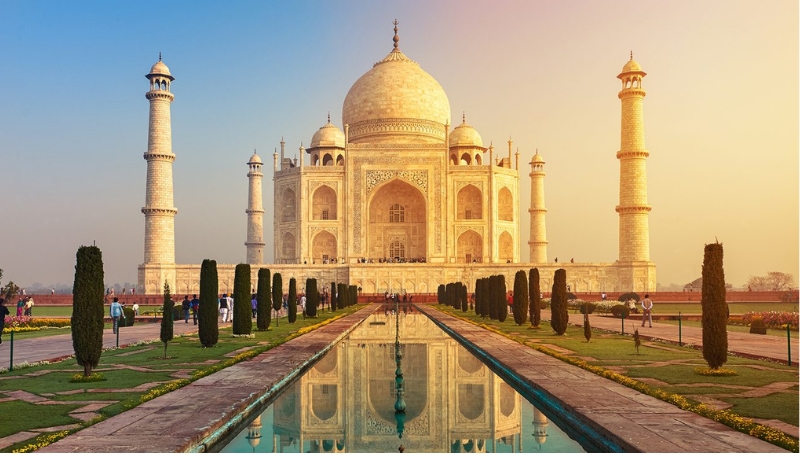
1. Taj Mahal – Agra
The Taj Mahal stands as one of the most famous UNESCO World Heritage Sites in the world. Mughal emperor Shah Jahan built this monument in the 17th century in memory of his wife Mumtaz Mahal. The structure is made of white marble and shows exceptional Mughal architecture.
The monument stands on the banks of the Yamuna River in Agra. Visitors admire its symmetrical gardens, reflecting pools, and detailed carvings. Precious stones decorate the marble walls with beautiful floral designs. The Taj Mahal attracts millions of tourists every year and represents love, beauty, and architectural brilliance. Because of its historical importance, the monument often appears in lists such as Top 10 UNESCO World Heritage Sites in India Wikipedia.
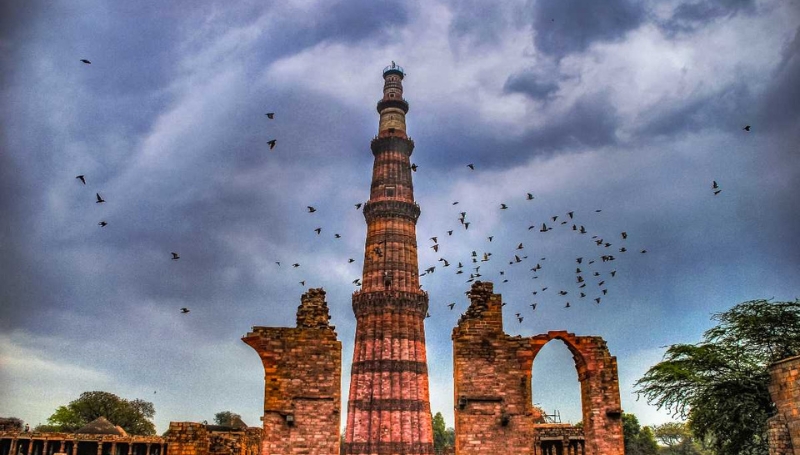
2. Qutub Minar – Delhi
Qutub Minar is another iconic monument among the UNESCO World Heritage Sites in India. This tall minaret rises to a height of about 73 meters and is considered the tallest brick minaret in the world. Qutb-ud-din Aibak started its construction in the 12th century, and later rulers completed it.
Red sandstone and marble decorate the tower with detailed carvings and Quranic inscriptions. The Qutub complex also includes historical structures such as the Iron Pillar, Alai Darwaza, and ancient mosque ruins. This site reflects early Indo-Islamic architecture and holds great importance in Indian history.
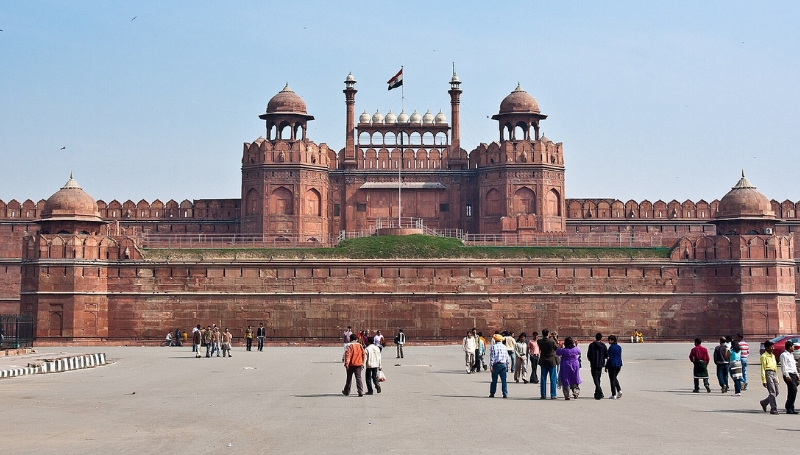
3. Red Fort – Delhi
The Red Fort is a powerful symbol of India’s Mughal history. Emperor Shah Jahan built the fort in the 17th century when he shifted the capital of the Mughal Empire to Delhi. Massive red sandstone walls surround the fort, which extends across a large area.
Inside the complex, visitors can explore royal halls, beautiful gardens, and historic buildings such as Diwan-i-Aam and Diwan-i-Khas. The fort also plays an important role in modern Indian history. Every year, the Prime Minister hoists the national flag here on Independence Day. Because of its cultural value, the Red Fort remains an important part of the UNESCO World Heritage Sites list.
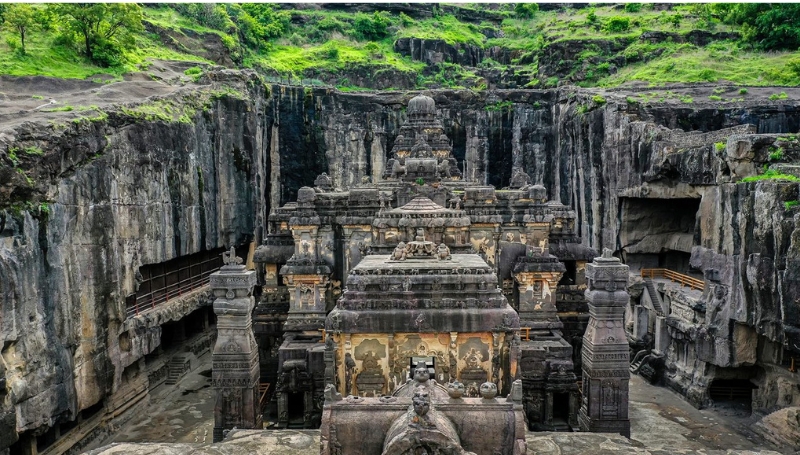
4. Ajanta Caves – Maharashtra
Ajanta Caves represent one of the finest examples of ancient Buddhist art. These caves were carved into a horseshoe-shaped rock cliff during the 2nd century BCE and later expanded. The caves contain monasteries and prayer halls used by Buddhist monks.
Beautiful paintings and sculptures inside the caves depict stories from the life of Buddha and scenes from ancient Indian culture. The murals show remarkable artistic detail even after centuries. Ajanta Caves remain an important site for historians and scholars studying early Indian civilization. This site often appears in academic resources discussing 41 World Heritage Sites in India and 42 World Heritage Sites in India.
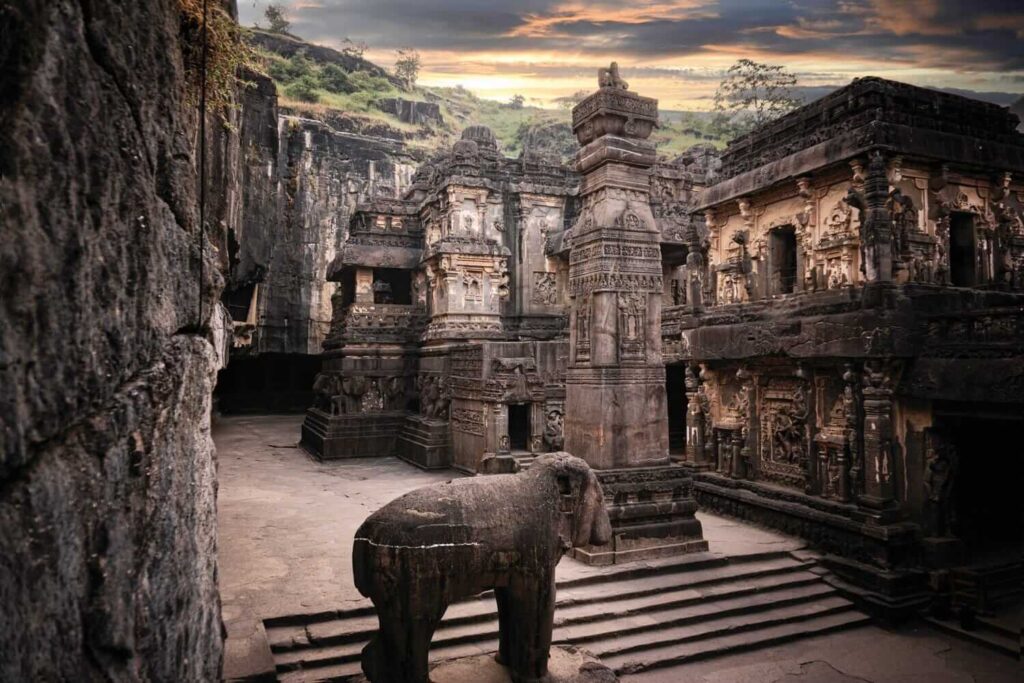
5. Ellora Caves – Maharashtra
Ellora Caves display a unique blend of religious traditions. The caves represent three major religions of India—Hinduism, Buddhism, and Jainism. Craftsmen carved these caves between the 6th and 10th centuries.
The most famous structure here is the Kailasa Temple. Builders carved the entire temple from a single rock, which makes it one of the greatest achievements in rock-cut architecture. The temple complex includes detailed sculptures, pillars, and carvings that show ancient mythology and stories. Ellora demonstrates the harmony of different cultures and stands as one of the most impressive UNESCO World Heritage Sites in India.
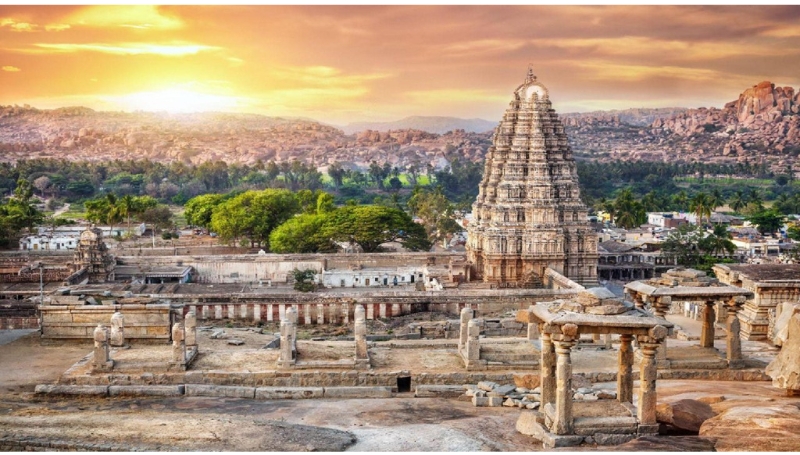
6. Hampi – Karnataka
Hampi was once the capital of the powerful Vijayanagara Empire. Today, it is one of the largest archaeological sites in the world. The ruins spread across a vast landscape filled with temples, markets, palaces, and stone structures.
The Virupaksha Temple remains an active place of worship even today. Another famous attraction is the stone chariot located in the Vittala Temple complex. The remains of Hampi show the glory of a once-prosperous empire that flourished in South India. Because of its historical importance, Hampi remains a major highlight in discussions about UNESCO World Heritage Sites in India.
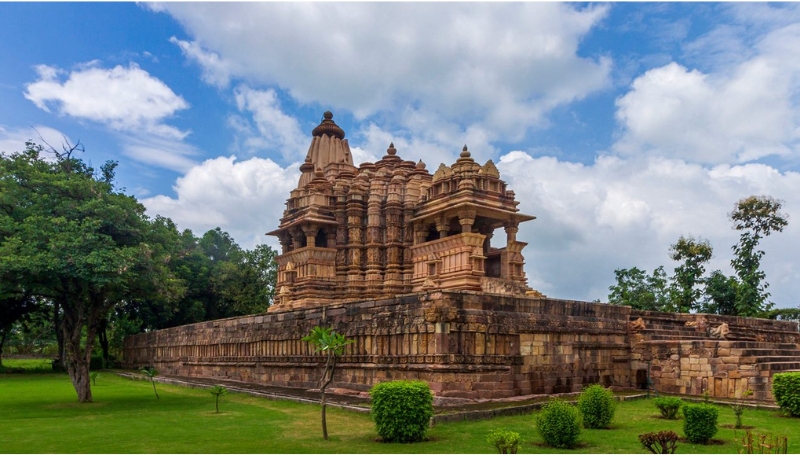
7. Khajuraho Group of Monuments – Madhya Pradesh
Khajuraho temples are famous for their beautiful sculptures and artistic carvings. Builders constructed these temples during the Chandela dynasty between the 9th and 12th centuries. The temples reflect a mix of spirituality, art, and daily life.
Intricate carvings cover the temple walls. They show gods, dancers, musicians, and scenes from everyday life. Khajuraho once had around 85 temples, but about 20 remain today. Despite this, the site continues to attract visitors from around the world who want to explore India’s ancient art and architecture.
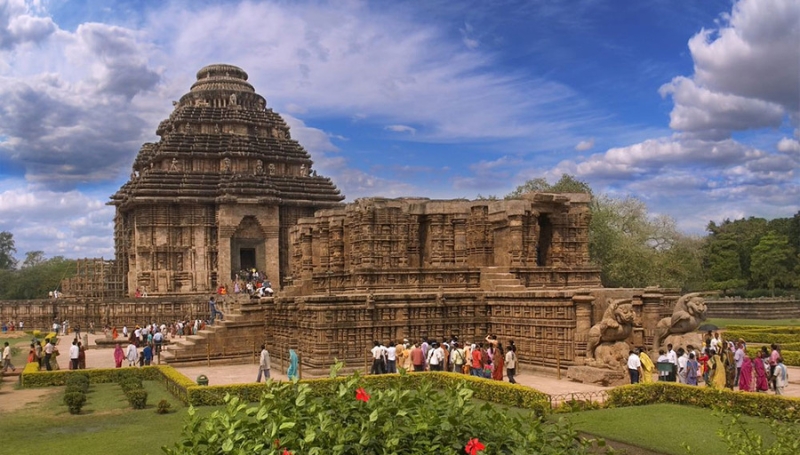
8. Sun Temple – Konark
The Sun Temple at Konark in Odisha is one of the most unique temples in India. King Narasimhadeva I built the temple in the 13th century. The structure represents a giant stone chariot dedicated to the Sun God.
Massive stone wheels and carved horses form the design of the temple. Each wheel represents the movement of time. The temple walls display detailed carvings that show dancers, animals, and mythological stories. The architectural creativity and artistic detail make Konark Sun Temple a remarkable example of Indian temple design.
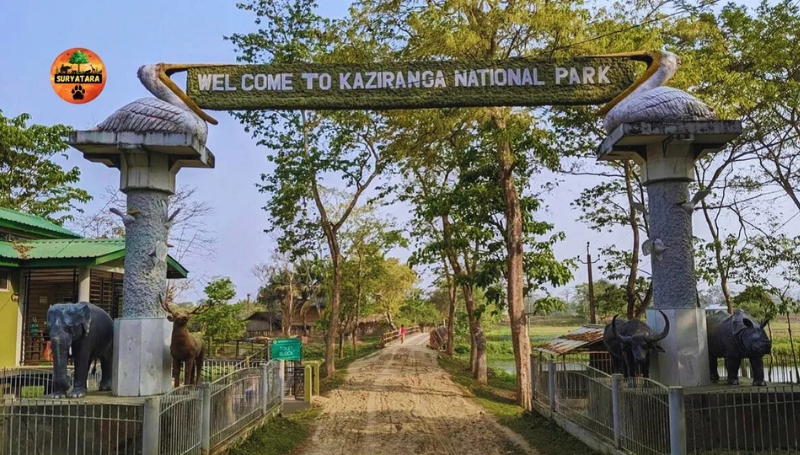
9. Kaziranga National Park – Assam
Kaziranga National Park represents the natural heritage of India. The park is famous for protecting the endangered one-horned rhinoceros. It also supports a large population of elephants, tigers, deer, and birds.
The park includes grasslands, wetlands, and forests that create a perfect habitat for wildlife. Because of its biodiversity, Kaziranga holds global recognition among UNESCO World Heritage Sites. Wildlife lovers from around the world visit the park to see rare animals in their natural environment.
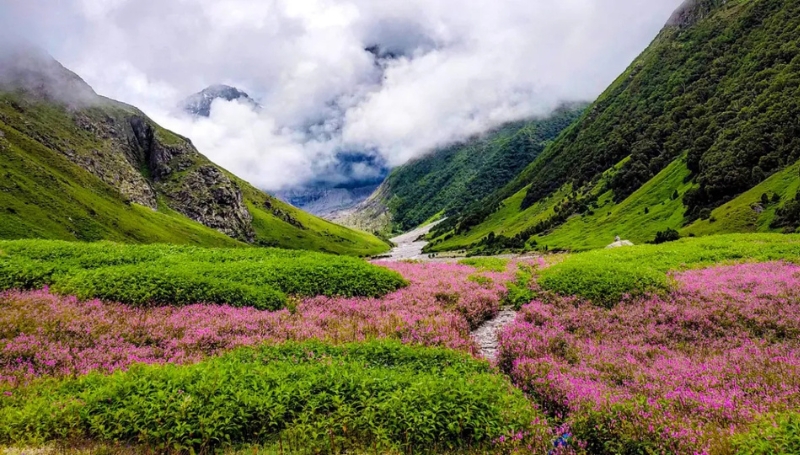
10. Valley of Flowers National Park – Uttarakhand
Valley of Flowers National Park lies in the Himalayas of Uttarakhand. The valley becomes extremely colorful during the monsoon season when thousands of alpine flowers bloom across the landscape.
The area also supports rare plants and wildlife species. Snow-covered mountains, rivers, and green meadows create a breathtaking natural setting. The valley attracts trekkers, photographers, and nature lovers every year. Because of its unique ecosystem, it holds a special place among the UNESCO World Heritage Sites in India.
Growth of UNESCO World Heritage Sites in India
India continues to receive global recognition for its heritage and biodiversity. Earlier records mentioned that 36 World Heritage Sites are recognized by UNESCO in India. Over time, the number increased steadily. Discussions now focus on 41 World Heritage Sites in India, 42 World Heritage Sites in India, and even 44 World Heritage Sites in India as new locations receive recognition.
Scholars and students often search for resources like World Heritage Sites in India PDF to learn about these places. Many educational materials highlight how these heritage sites protect India’s history and natural landscapes.
Why UNESCO World Heritage Sites Matter
UNESCO heritage sites play an important role in preserving global culture and nature. These sites receive international attention and protection. Governments and organizations work together to maintain these places for future generations.
In India, heritage sites also support tourism. Travelers visit these destinations to experience history, architecture, and natural beauty. Tourism also helps local communities through employment and economic growth.
Preserving these sites also helps protect ancient knowledge, traditions, and ecosystems. Because of this, UNESCO recognition brings global responsibility to protect and maintain these landmarks.
Why Travelers Should Explore UNESCO Sites in India
Exploring the Top 10 UNESCO World Heritage Sites in India offers a unique travel experience that combines history, culture, architecture, and nature. Each site tells a powerful story about India’s past and shows the creativity of ancient civilizations.
These destinations also support tourism and local communities. Visitors learn about regional traditions, taste local food, and experience cultural festivals while traveling through heritage locations. For history lovers, photographers, and culture enthusiasts, UNESCO heritage sites remain some of the most fascinating places to explore in India.
Conclusion
The Top 10 UNESCO World Heritage Sites in India highlight the country’s remarkable cultural and natural diversity. From the timeless beauty of the Taj Mahal to the colorful landscapes of the Valley of Flowers, each site tells a unique story about India’s past and present.
As the number of UNESCO World Heritage Sites in India continues to grow from 36 World Heritage Sites are recognized by UNESCO to 44 World Heritage Sites in India, the country moves closer to welcoming the 45th UNESCO Sites in India. These heritage sites remain valuable treasures that showcase India’s history, art, architecture, and natural wonders to the entire world.
FAQs
Which is the 40th UNESCO World Heritage Site in India?
The 40th UNESCO World Heritage Site in India is Dholavira: A Harappan City, located in the Rann of Kutch, Gujarat. It was added to the UNESCO World Heritage List in 2021. Dholavira is an important archaeological site of the Indus Valley Civilization.
Which is the 44th UNESCO World Heritage Site in India?
The 44th UNESCO World Heritage Site in India is the Maratha Military Landscapes of India. It was inscribed on the UNESCO list in 2025 and includes several historic Maratha forts that show the military architecture of the Maratha Empire.
Which is the 43rd UNESCO World Heritage Site in India?
The 43rd UNESCO World Heritage Site in India is the Moidams – the Mound-Burial System of the Ahom Dynasty located in Assam. It received UNESCO recognition in 2024 and represents the burial traditions of the Ahom rulers.
What are the 7 new UNESCO World Heritage Sites in India?
Some of the recently added UNESCO World Heritage Sites in India include:
- Dholavira: A Harappan City (2021)
- Kakatiya Rudreshwara (Ramappa) Temple (2021)
- Santiniketan, West Bengal (2023)
- Sacred Ensembles of the Hoysalas, Karnataka (2023)
- Moidams – Ahom Dynasty Burial System, Assam (2024)
- Maratha Military Landscapes of India (2025)
- (Recent additions are updated as UNESCO announces new sites)
These new inclusions increased the Total UNESCO World Heritage Sites in India to 44.
What are UNESCO World Heritage Sites in India?
UNESCO World Heritage Sites in India are cultural, natural, or historical places that UNESCO recognizes for their outstanding global value. These sites represent India’s rich heritage, architecture, biodiversity, and history.
How many UNESCO World Heritage Sites are there in India?
India currently has 44 UNESCO World Heritage Sites. These include cultural monuments, natural parks, and mixed heritage sites that reflect the country’s diverse history and environment.
Which is the most famous UNESCO World Heritage Site in India?
The Taj Mahal in Agra is the most famous UNESCO World Heritage Site in India. It is known worldwide for its beautiful Mughal architecture and is often called the symbol of eternal love.
Which state in India has the most UNESCO World Heritage Sites?
Maharashtra has some of the most famous UNESCO sites, including Ajanta Caves, Ellora Caves, Chhatrapati Shivaji Terminus, and the Western Ghats.
Why are UNESCO World Heritage Sites important?
UNESCO World Heritage Sites help protect important cultural monuments and natural landscapes. They preserve history, support tourism, and promote global awareness about heritage conservation.
Which UNESCO World Heritage Sites in India are natural sites?
Some famous natural UNESCO sites in India include Kaziranga National Park, Valley of Flowers National Park, Keoladeo National Park, Sundarbans National Park, and the Western Ghats.